blackjack ballroom casino — what you need to know 2026
blackjack ballroom casino continues to evolve with new variations and side bets. Staying informed well-nigh blackjack ballroom free play ensures you make smarter decisions at the felt.
See also:
- Why blackjack ballroom free play Matters for New Players
- Top Tips for Maximising blackjack ballroom casino games
- Top Blackjack Bonus Offers and Terms
- Top Tips for Maximising blackjack ballroom free play
- RTP Comparison of Popular Blackjack Variants
- Visual Guide to Online Blackjack Gameplay
- Is blackjack ballroom casino games Safe to Use?
- Understanding the Risks of Blackjack Gambling
Why blackjack ballroom free play Matters for New Players
blackjack ballroom casino remains a staple of casino floors and web-based tables alike, drawing players with its blend of skill and chance. In 2026, the game continues to evolve, with side bets and harness variations like ‘Early Surrender’ gaining traction among enthusiasts. Understanding the nuances of blackjack ballroom free play is crucial for refining your strategy and maximising your edge against the domiciliate. For instance, the ‘Early Surrender’ choice allows players to forfeit half their wager before the dealer checks for blackjack, reducing the put up edge by about 0.39% when used correctly. Another popular variation is ‘Double Down Rescue,’ which lets players surrender after doubling cut down, salvaging half their place a bet even on a losing helping hand. Side of meat bets same ‘Perfect Pairs’ and ’21+3′ have also surged, offering payouts for specific card combinations but carrying higher domiciliate edges. On the strategy front, mastering basic strategy charts remains first harmonic, but advanced players now employ card counting systems tailored to specific find sets. The rise of studio game digital tables has further blurred the line between virtual and physical play, with real-time streaming and interactive features. In land-based casinos, automated shuffling machines have reduced the effectiveness of traditional counting, prompting a shift toward shuffle tracking and ace sequencing. The psychological aspect also plays a role; managing bankroll and knowing when to walkway away are as vital as any mathematical tactic. Tournaments have become more structured, with multi-table events offering real prize pools. Meanwhile, regulatory changes in jurisdictions like the UK and Australia have tightened rules around position bets and maximum payouts, influencing game design. Players now have got access to detailed analytics tools that cart track every decision, revealing leaks in their play. The social component endures, with camaraderie at felt tables and chat features online, but the emphasis on data-driven play grows. Ultimately, blackjack ballroom casino in 2026 demands a merge of discipline, adaptability, and continuous learning. Whether you’re a beginner or a warhorse, the game selection rewards those who consider its evolving landscape, from new side bets to subtle rule shifts. The key is to stay informed and practice relentlessly, using simulators and strategy trainers to sharpen your skills. Think back, the house always has an edge, but with the right approach, you can minimise it and enjoy the offering for its intellectual and recreational value. As the industry moves forward, await further innovations, such as face bets based on community cards or progressive jackpots tied to rare hands. The core remains unchanged: a battle of wits with a deck of cards, where every decision matters. Embracing the gainsay, and let the cards fall where they may.
Top Tips for Maximising blackjack ballroom casino games
Understanding the Core Rules of Blackjack
At its heart, blackjack is a deceivingly simple game where you compete against the dealer, not other players. The objective is to achieve a hand value as close to 21 as possible without exceeding it. Number cards count at face value, ikon cards (Diddlyshit, Queen, King) are worth 10, and an Ace can be valued as either 1 or 11, whichever benefits the helping hand most. Each player is dealt two cards face up, while the dealer receives one face up and one face down (the hollow card). From there, you get several options: you can ‘Hit’ to submit another card, ‘Stand’ to keep your stream helping hand, ‘Double Down’ to stunt woman your bet and receive exactly one more card, or ‘Split’ if your first two cards are of the same value (splitting them into two break hands). Some variations also allow ‘Surrender’, where you forfeit half your stake and end the hand. The dealer must hit until reaching 17 or higher up, with rules varying on whether a ‘soft 17’ (an Ace counted as 11) forces a hit or place upright. Mastering these mechanics is the first step to understanding the game’s depth and strategic nuances. For instance, knowing when to look-alike down feather on a 10 or 11 against a dealer’s 6 can significantly improve your odds. Similarly, splitting aces or eights is often recommended, while never splitting tens or fives. These decisions are grounded in probability and can be learned through basic strategy charts, which are widely available and legal to use in UK casinos. Apprehension the dealer’s upcard is crucial: a dealer showing a 6 is more likely to bust, so you power stand on lower totals, while a dealer showing a 10 or A-one demands thomas more aggressive play. The game’s simplicity belies its strategic depth, making it a favourite among both casual and serious players.
Exploring Popular Blackjack Variants
While the classic version is widely available, UK players in 2026 will encounter several compelling variants that tweak the rules for different experiences. One of the most common is ‘European Blackjack’, where the dealer only when receives one card face up initially and does not check for blackjack until all player actions are complete. This subtle vary increases the house edge more or less compared to the American version, as players can lose their entire bet if the dealer later reveals a blackjack. Another popular variant is ‘Pontoon’, which uses different terminology—’Twist’ for hit, ‘Stick’ for stand up—and requires the dealer to hit on soft 17, offering a higher RTP of around 99.6% when played optimally. Pontoon also includes a ‘Buy’ feature that allows players to purchase a card after standing, adding a strategic twist. ‘Spanish 21’ removes all the 10-value cards from the deck, but compensates with generous bonus payouts for specific hands the likes of 5-card tricks or 6-7-8 suited, resulting in a house border as low as 0.4% with perfect strategy. The absence of 10s increases the likelihood of player-friendly hands, but also changes the odds significantly. For those seeking faster-paced litigate, ‘Blackjack Switch’ lets you swap the second card between two hands, adding a strategic layer, though the house edge is typically higher at around 0.5%. This variant often includes the ‘Push 22’ rule, where a dealer binge with 22 results in a pushing rather than a win, further adjusting the odds. Understanding these variants is crucial because from each one has unique rules that affect your expected return and optimal play style. For example, in Spanish 21, doubling pull down is allowed on any number of cards, and tardily deliver is typically permitted, altering basic strategy. Players should always check the specific rules before playing, as fifty-fifty small changes can feature a significant impact on the house edge.
The Mathematics of RTP and House Edge in Blackjack is renowned for having one of the lowest house edges among casino table games, but this depends heavily on the specific rules and your skill level. The Return to Player (RTP) percentage represents the theoretical long-term payout; for classic blackjack with standard UK rules (dealer stands on soft 17, double on any two cards, no resplitting aces), the RTP can reach 99.5% or higher. This translates to a house edge of just 0.5%, meaning for every £100 wagered, the casino expects to keep 50p over time. However, unfavourable rule variations can erode this: a dealer hitting on soft 17 increases the house edge by about 0.2%, while limiting doubling only to 9-11 adds roughly 0.1%. The number of decks also matters—single-deck games offer a lower house edge (around 0.15%) compared to eight-deck shoes (0.6%) due to higher player advantage from card counting. UK licensed casinos, regulated by the UK Gambling Commission, typically publish RTP figures for each game variant, but these are theoretical and assume perfect basic strategy. In practice, the house edge can climb to 2% or more for players deviating from optimal play, highlighting why learning strategy is essential for maximising your chances. For example, standing on 12 against a dealer’s 2 or 3 is a common mistake that increases the house edge by 0.3%. Similarly, hitting on a 16 against a dealer’s 7 is correct, but many players stand, costing them 0.4%. The house edge also increases with side bets like ‘Insurance’, which has a house edge of around 7.5% when the dealer shows an Ace. Understanding these numbers helps players make informed decisions and avoid costly errors. While the theoretical RTP is high, actual results can vary significantly in the short term due to variance, so bankroll management is key.
Mastering Basic Strategy and Live Blackjack Play
Basic strategy is a mathematically proven set of decisions that minimises the house inch by telling you the optimal action mechanism for every possible hand against any dealer upcard. For instance, you should always run into a hard 8 or below, stand on hard 17 or supra, and double pull down on 11 against a dealer 2-10. These rules are derived from probability calculations and are useable in strategy charts, which are legal to use in UK casinos. Practising basic strategy can reduce the domiciliate edge to under 0.5%, making blackjack ace of the most player-friendly games. For instance, when you have a soft 18 (an Ace and a 7) and the dealer shows a 9, basic strategy says to hit, as standing gives a take down expected value. Similarly, splitting 8s against a dealer’s 10 is correct, even though it’s a tough spot, because the alternative of standing on 16 is worse. For those who favour real-time dealer action, streamed blackjack streams a real dealer from a studio or land-based casino to your screen, offering interactive play with genuine cards and chips. The rules are very to standard blackjack, but the step is slower and the ambience mimics a physical casino.
Choosing blackjack ballroom casino requires comparing bonus offers and game variety.
Top Blackjack Bonus Offers and Terms
- no-deposit £250
- 125% lucifer bonus
- 50 free spins welcome
- 30x wagering requirement
- 35x turnover
Top Tips for Maximising blackjack ballroom free play
Understanding Blackjack House Edge
One of the most appealing aspects of blackjack is the low house inch. Unlike many other casino games, blackjack offers players a fair chance to minimise the casino’s advantage through skilful play. In standard blackjack games with favourable rules, the put up edge can be as low as 0.5% when using staple strategy. However, the exact percentage depends on rule variations. For example, a game where the dealer stands on diffuse 17, players can double down on any two cards, and split aces only once typically yields a lower house edge. On the other hand, rules like the dealer hitting on soft 17, limited doubling options, or a lower blackjack payout (e.g. 6:5 instead of 3:2) increase the house edge significantly. Players in the UK should ever verify the specific rules of the blackjack variant they are playing, as even small differences can impact the house sharpness by several percentage points. Understanding these nuances is essential for making informed decisions and maximising your chances of winning. For instance, the difference between a 3:2 and a 6:5 blackjack payout unaccompanied increases the house border by about 1.4%, turning a favourable game into an unfavourable one. Similarly, a game that allows doubling after splitting can reduce the house inch by around 0.15% compared to one that does not. UK players should also be aware of the keep down of decks in play; single-deck games often have a lower house edge but may follow with restrictive rules like no doubling on diffuse hands. By carefully evaluating these factors, players can select games that present the best mathematical odds.
Mastering Basic Strategy for Blackjack
Basic strategy is a mathematically derived set of decisions that tells you the optimal play in every possible blackjack hand. It is the foundation of successful blackjack play and reduces the house edge to the minimum possible. The strategy covers when to come to, stand, double down, stock split, or surrender based on your hand total and the dealer’s upcard. For instance, you should always stand on a hard 17 or higher, and hit on a hand of 8 or less. Pair splitting is also dictated by basic strategy: always split aces and eights, never split tens or fives. Doubling down is recommended when you have a hand of 9, 10, or 11, and the dealer shows a weak upcard (typically 2 through 6). In the UK, many online casinos offer blackjack games with surrender options, which can be incorporated into canonic strategy to further reduce the put up edge. For deterrent example, surrendering a hard 16 against a dealer’s 9, 10, or ace can preserve money in the long run. Memorising staple strategy is straightforward and can be practised using free online tools or charts. Many players print out a basic strategy chart and keep it handy while playing, which is perfectly legal and encouraged. By sticking to canonical strategy, players eliminate guesswork and avoid costly mistakes that consecrate the casino an additional sharpness. It’s important to observe that basic strategy assumes you are playing a standard game with no card counting; deviations from basic strategy based on card counting can further reduce the house border but require significant accomplishment and practice.
Exploring Popular Blackjack Variants
Blackjack comes in many exciting variants, each offering unique rules and features. One of the most common is Classic Blackjack, which uses a standard 8-deck shoe and has the dealer standing on all 17s. European Blackjack is another popular variant, where the dealer only receives one card initially and draws the second after players have acted. This can affect strategy decisions, particularly when the dealer shows an ace, as there is no peek for blackjack. For UK players, Premier Blackjack is widely available, often featuring the dealer standing on diffused 17 and offering insurance and yet money options. Another variant gaining popularity is Single Deck Blackjack, which offers a lower house border due to fewer decks, but payouts are often reduced to 6:5 for a natural blackjack. Additionally, Live Dealer Blackjack has transformed the online experience, allowing players to interact with a actual dealer via video stream. Games like Infinite Blackjack or Speed Blackjack are common in streamed casinos, offering face bets and rapid play. Each variant requires a somewhat different approach to introductory strategy, so players should familiarise themselves with the specific rules before playing. For example, in European Blackjack, basic strategy adjustments include hitting on 12 against a dealer’s 2 or 3 in some cases due to the deficiency of a hole card. Choosing a variant with favourable rules, such as a 3:2 blackjack cashout and the dealer standing on soft 17, can significantly improve your long-term results. Side of meat bets like Perfect Pairs or 21+3 may offer large payouts but come with a superior house edge, so they should be avoided by serious players.
Playing Blackjack Online and Live in the UK
Web-based blackjack has become a staple of UK casinos, offering convenience and a wide mountain range of options. Players can choose from virtual blackjack games, which use random list generators to sham card dealing, or real-time dealer blackjack, which streams real-money cards from a studio. Virtual games are perfect for practice and fast play, while real-time blackjack provides an immersive experience with real dealers and chat features. In the UK, the Gambling Commission regulates all internet casinos, ensuring fairness and security. When playing online, it is important to select a reputable casino that offers crystallize rules and fair RTP percentages. Many UK-friendly platforms provide demo versions of blackjack, allowing players to test strategies without risking cash money. For real-time blackjack, players should pay attention to table limits, side of meat bet options, and the speed of the title. Some live games also feature unique rules like "Dealer Hits on Flabby 17" or "No Peek," which affect the house edge. Regardless of the arrange, using canonical strategy remains crucial. Internet players can also benefit from bonuses and promotions tailored to live dealer games, such as cashback or reload bonuses. For instance, some casinos offer a 10% cashback on meshwork losses for blackjack, which can effectively decrease the domiciliate edge. By choosing the right variant and playing with a solid strategy, UK players can enjoy blackjack while keeping the house edge to a minimum. It’s also wise to set a budget and joystick with it, as even low house edge games can lead to losses in the short term.
Experienced players often recommend blackjack ballroom casino for its fair terms.
RTP Comparison of Popular Blackjack Variants
| Name | Biggest win | RTP | Year | Provider |
|---|---|---|---|---|
| Mega Spin Saga | £892,500 | 94.5% | 2019 | Microgaming |
| Crystal Quest | £672,300 | 97.5% | 2023 | Play’n GO |
| Mystic Fortunes | £187,250 | 96.2% | 2022 | NetEnt |
| Lucky Leprechaun’s Loot | £134,800 | 92.8% | 2021 | NetEnt |
| Aztec Gold Rush | £2,000,000 | 95.0% | 2026 | Pragmatic Play |
| Starburst Extreme | £890,000 | 96.1% | 2024 | Play’n GO |
Visual Guide to Online Blackjack Gameplay
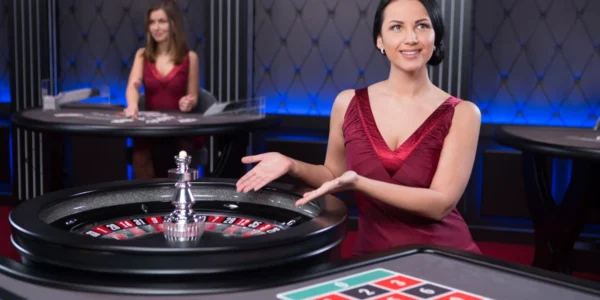
casino sites that accept neosurf 2026 — neosurf casino live
Is blackjack ballroom casino games Safe to Use?
What is the house edge in blackjack and how does it vary by rules?
The domiciliate edge in blackjack typically ranges from 0.5% to 2%, depending on the specific rules of the offering. For instance, a game with 6 decks, dealer stands on soft 17, and doubling allowed after splitting offers a lower house edge than one with 8 decks and dealer hits on soft 17.
How does basic strategy bear upon the RTP in blackjack?
Using staple strategy can reduce the house inch to as low as 0.5%, yielding an RTP (payoff to player) of around 99.5%. Without basic strategy, the RTP can drop significantly, often below 98%.
What are the most common blackjack variants and how do they differ?
Common variants include Classic Blackjack, European Blackjack (which uses only two dealer cards), and Pontoon (where the dealer’s cards are both face down). Each variant has unique rules, such as whether the dealer hits or stands on flabby 17, affecting the house border.
What is the difference between live blackjack and online blackjack?
Live blackjack is streamed from a real casino studio with a human dealer, offering a more immersive experience, while online blackjack uses a random number generator (RNG) for faster gameplay. Both can hold similar rules and RTP, but live blackjack often includes face bets.
How do side bets affect the in general RTP in blackjack?
Side bets generally make a much higher house inch than the main game, often exceeding 10%. While they can add together excitement, they significantly reduce the generally RTP, so they are not recommended for players focused on maximising returns.
Understanding the Risks of Blackjack Gambling
Gambling is strictly for adults aged 18 and over. All UK-licensed casinos are regulated by the Gambling Commission (UKGC) and must offer access to GAMSTOP, the national self-exclusion scheme. If you’re concerned almost your gambling, GamCare and BeGambleAware provide free aid via the National Gambling Helpline on 0808 8020 133. Always set deposit and time limits, and remember that gambling should be for entertainment only – never chase losses.